
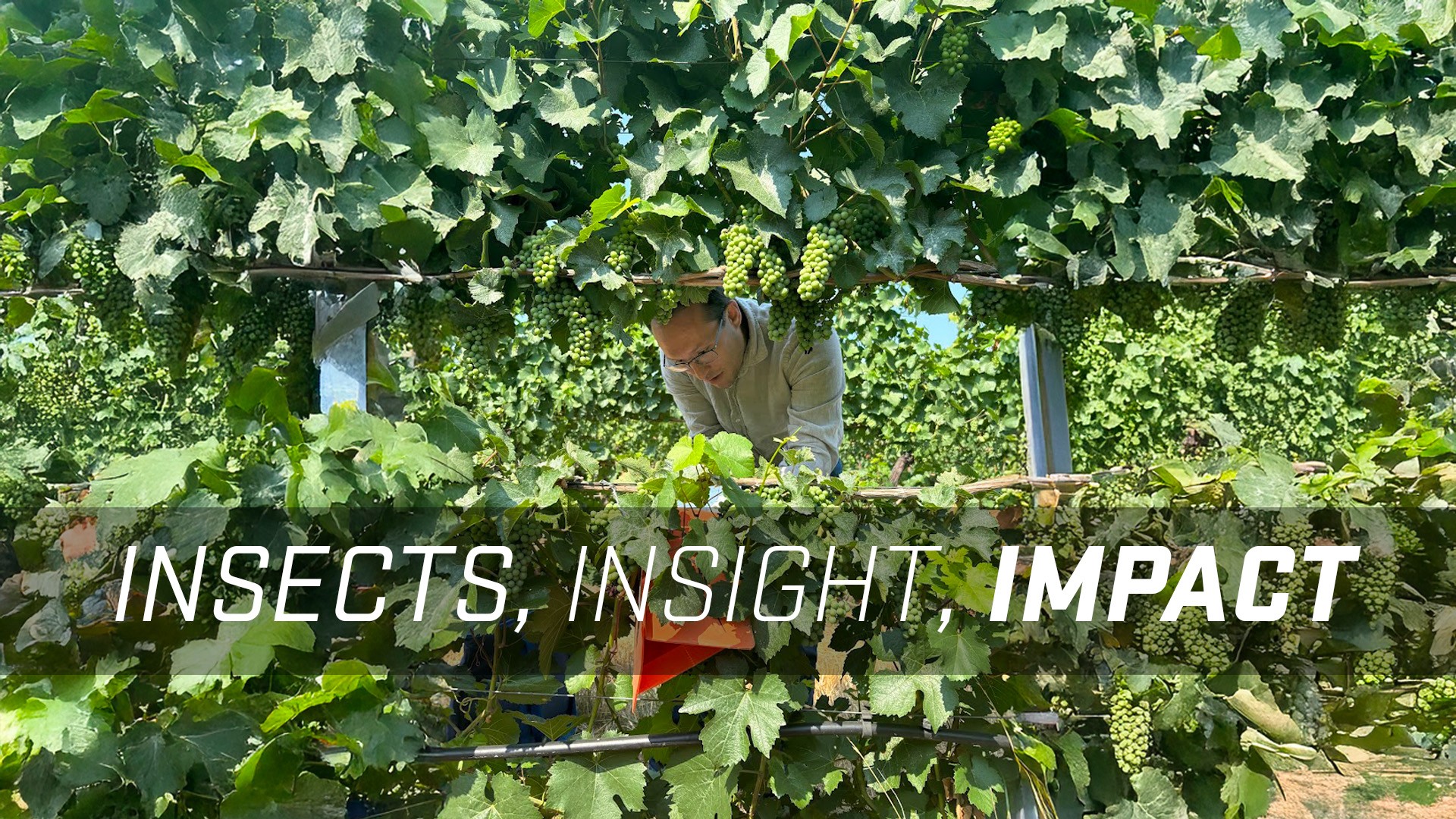
Alexander Butcher | Horticulture Major | Class of 2025
Reno, Nevada | President of the Bug Club | LinkedIn
Entomological Society of America Science Policy Fellow and section chair
Pan to Plan
I worked as a chef for nearly a decade and still like to think I’m one of the fastest sauté cooks in the West. That experience taught me to thrive under pressure, think creatively, and appreciate the art of transformation. These days, I’ve traded the heat of the kitchen for the buzz of the classroom and the field, but that same energy drives my work in science and education.
When I’m not studying insects or teaching students, you can usually find me exploring Oregon’s back country with my wife and our dog. We’re avid backpackers and devoted hot spring seekers. I’m passionate about connecting people to the natural world through research, food, or shared outdoor experiences. It's finding these stories that remind us how interconnected everything really is.
Insect Innovation
My path to studying insects and agriculture actually started in the kitchen. I spent nearly a decade working as a chef, and during that time, I became fascinated by where our food comes from and how wasteful those systems can be. Cooking made me appreciate the effort behind every ingredient, and how much of that depends on insects, from pollinators to the tiny pests that threaten crops.
That curiosity evolved into a passion for sustainability and food security. Today, my research focuses on developing more sustainable pest management tools and strengthening the emerging insect farming industry in the U.S. I see insects as both a challenge and a solution: they can devastate crops, but they can also help us recycle waste, create high-protein feed, and close loops in our food system. Ultimately, I hope my work helps build agricultural systems that are more resilient, circular, and ready for the environmental challenges ahead. All while inspiring the next generation of entomologists to do the same.
Beyond the Lab
My field of study has taken me to some pretty incredible places, both in and out of the lab. In 2024, I had the opportunity to attend the Entomological Society of America’s regional conference in Hawai‘i, which was an unforgettable mix of world-class science and tropical biodiversity. It’s hard to beat discussing insect ecology while surrounded by it.
Closer to home, I’ve had some equally amazing adventures across the Pacific Northwest through my work with the Oregon State University Bug Club. One of my favorites was an expedition to the Alvord Desert, where we used black lights to observe scorpions under the stars in one of the largest dark sky zones in the U.S. This was during the Perseids meteor shower, and the Milky Way was vibrantly visible. This was such a magical experience seeing the desert floor come alive with fluorescent creatures and seeing the amazement and joy from other students. These moments remind me that science isn’t just about data, it’s about curiosity, exploration, and sharing wonder with others.
Curiosity Creates Connections
Student organizations have been the heart of my hands-on experience at the College of Agricultural Sciences. Through groups like the OSU Bug Club, I’ve had the chance to step beyond the classroom and into the community—organizing outreach events, leading educational workshops, and building connections with schools, nonprofits, and local growers. Those experiences have taught me as much about leadership, communication, and collaboration as any formal course.
Most of these opportunities came from simply paying attention and being willing to say “yes.” I started volunteering for small events and soon found myself getting invitations to classroom visits, public talks, and even a music festival. People are naturally curious about insects; they’re weird, beautiful, and vital to our world. I love being the person who gets to spark that sense of wonder. These experiences have been essential to my education, helping me grow not just as a scientist but as an educator and community member.
Small Creatures, Big Impact
In five years, I hope to be leading a dynamic and expanding entomology program here at Oregon State University. One that gives students hands-on opportunities to work with insects in agriculture, sustainability, and even medicine. I want to help grow the emerging insect farming sector, strengthen integrated pest management strategies, and inspire students to think creatively about how insects connect to food, health, and the environment.
The College of Agricultural Sciences has been instrumental in helping me get there. Through its support for research, outreach, and student engagement, I’ve been able to turn ideas into programs and curiosity into collaboration. AgSci encourages the kind of interdisciplinary work that makes entomology so exciting; it’s a field where biology meets business, ecology meets innovation, and where the smallest creatures can have the biggest impact.
Balance Builds Leadership
One of the biggest challenges I’ve faced is learning when not to say yes. I’m a passionate person who loves being involved, especially when it means supporting a good cause or helping others succeed. But at a university like OSU, there are so many amazing opportunities that it’s easy to stretch yourself too thin trying to do it all.
Over time, I’ve had to learn how to prioritize my energy and focus on the projects where I can make the greatest impact. That meant getting comfortable with setting boundaries, trusting others to lead, and recognizing that saying “no” sometimes creates space to say a more meaningful “yes” later. It’s still a work in progress, but that balance has made me a better leader, researcher, and mentor.
Done Differently
Honestly, most of my feedback comes down to small, day-to-day details, like improving parking and adding more short-term spots so graduate students can safely drop off heavy samples or equipment from the field. Those little logistical challenges can add up when you’re juggling research, teaching, and outreach.
Beyond that, I think the College does an excellent job creating opportunities for students who are willing to step up and engage. The support, mentorship, and resources are there; you just have to make use of them. I’ve always felt that if you bring enthusiasm and initiative, AgSci meets you halfway.
Compassion Drives Action
When I was in culinary school, our class was asked to throw away leftover food from a catering event. On the way to the dumpsters, we came across a man experiencing homelessness and decided to give him the food instead. Our instructor chastised us for it, saying we’d broken policy, but that moment stuck with me. It made me realize how broken parts of our food system are, and how much good we could do simply by rethinking waste.
That experience lit a fire in me. I petitioned the school to begin donating unused food and started personally delivering meals to a homeless encampment under the Morrison Bridge in Portland. I continued doing that for several years while working in restaurants around the city. It changed the way I saw food, not just as something to be prepared and served, but as a fundamental right and a tool for building community. That perspective ultimately led me toward sustainability, agriculture, and the work I do now.
Experience Shapes Identity
My biggest piece of advice is to be intentional about the identity you’re building. College is one of the few times in life when you get to decide who you want to be, and then actively create that version of yourself. There are so many ways to shape that process. Study abroad programs can expand your perspective and push you outside your comfort zone, while joining a club or organization can help you find your community and strengthen the parts of your identity that matter most to you.
For me, being part of the Bug Club at OSU was transformative. When people know you’re “the bug person,” they start asking questions, sharing stories, even giving you insect-themed birthday gifts. Before long, it becomes part of how you see yourself, too. That sense of belonging and purpose grows even stronger when you share your work, whether it’s presenting at a conference or talking with the public. So my advice is: lean into those experiences that align with who you want to become. The sooner you start living that identity, the sooner the world will reflect it to you.
Links to my Featured Work
Wine Minute: A Unique Journey To The Wine Industry
Wine Minute: Future Of Mealybug Research
Alexander Butcher - Grads Out There
Bilingual education has an impact on Southern Oregon wine grape growers
OSU researcher trades chef uniform for lab coat to tackle wine grape pest
ESA Science Policy Fellows Class of 2025
The Tiny Fly That Could Transform Agriculture